
How Mindless Snacking Is Sabotaging Your Weight Loss (And How to Stop It)

Nutrition Insights
CrossFit Coordinate | Cary, NC
You're doing everything right. You're hitting the gym four days a week, following your meal plan, drinking your water, and tracking your macros. But the scale isn't moving. Your strength is improving, you feel great in your workouts, but that stubborn body fat isn't budging. What's going on?
The answer might be hiding in plain sight—literally. Those "little bites" throughout the day that don't feel like they count? They're quietly undermining all your hard work in the gym.
The Mindless Snacking Trap
Here's the uncomfortable truth: your body counts every single calorie, even if your brain doesn't. Those handful of situations where you grab "just a little something" add up faster than you think, and they can easily erase the calorie deficit you've worked so hard to create through training and intentional meals.
Research shows that people consistently underestimate their calorie intake from snacking by 25-50%. When you're trying to lose weight in a modest deficit of 300-500 calories per day, that margin of error can completely wipe out your progress.
The Math That Matters: If you're aiming for a 400-calorie daily deficit to lose about a pound per week, just 400 calories of untracked snacking brings you right back to maintenance. You're still training hard, still eating well at meals—but making zero progress toward your body composition goals.
The "Harmless" Snacks That Aren't
Let's look at some common scenarios that feel insignificant but have a real impact on your results:
The Morning Coffee Routine

The grab: A tablespoon of half-and-half in your coffee, plus a teaspoon of sugar. You have three cups throughout the morning.
The damage: ~150 calories
Why it matters: That's nearly 40% of a 400-calorie deficit, gone before 10 AM. Switch to black coffee or use a measured amount of unsweetened almond milk to save 100+ calories.
The Kids' Plate Cleaner
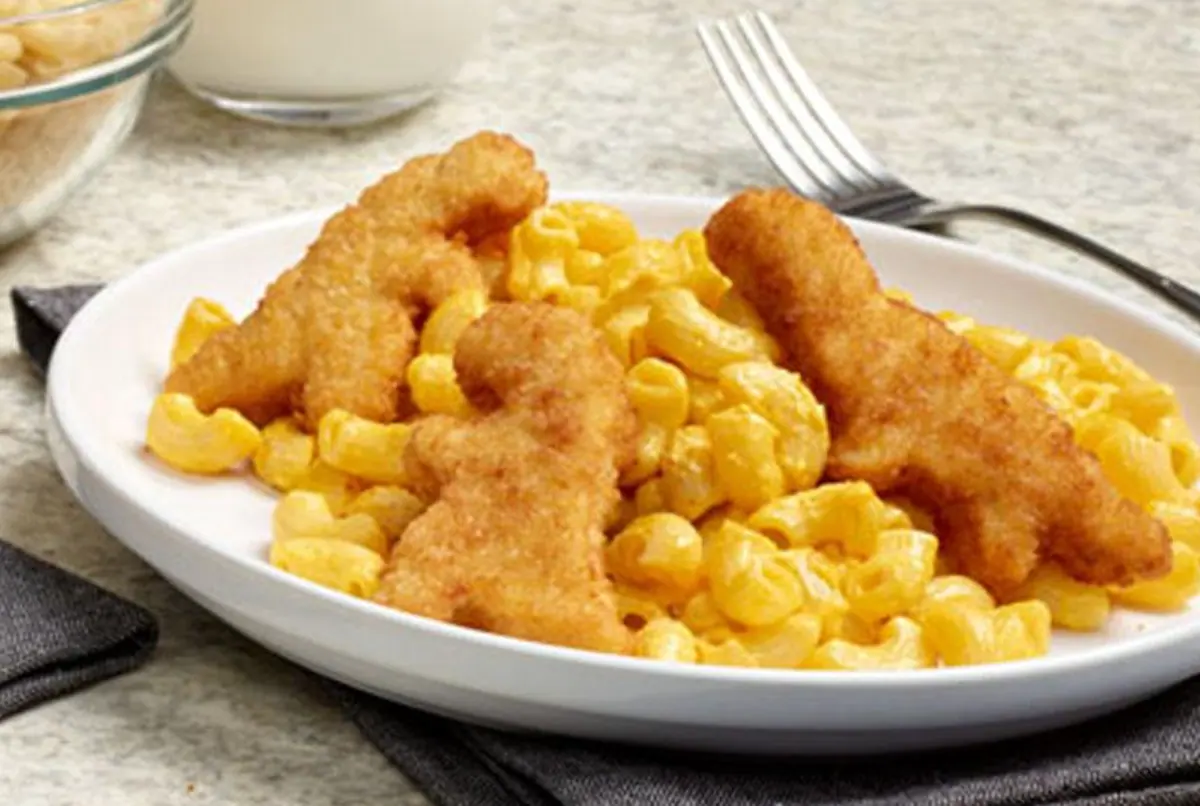
The grab: Finishing your kids' chicken nuggets, mac and cheese, and grilled cheese crusts because you "hate wasting food."
The damage: 200-400 calories
Why it matters: You already ate your planned dinner. These are pure surplus calories that your body doesn't need, regardless of your good intentions about food waste.
The Taste-Test Chef
The grab: Tasting while cooking dinner—a spoonful of pasta sauce, a piece of chicken, some roasted vegetables, a bite of the rice you're making.
The damage: 100-200 calories
Why it matters: Professional chefs learn to taste and spit for this exact reason. Those "quality control" bites are a full snack's worth of calories before your actual meal.
The Office Snacker
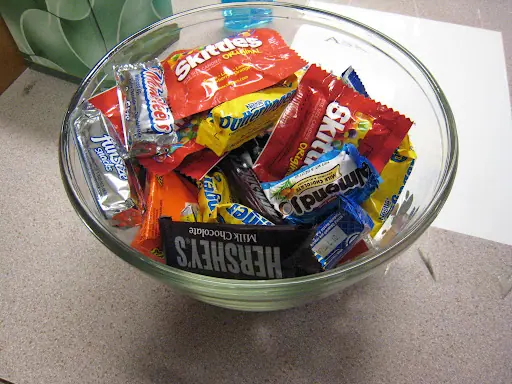
The grab: A small handful of M&Ms from the reception desk bowl (twice), two Girl Scout cookies a coworker brought in, and three crackers with cheese from the afternoon meeting spread.
The damage: 250-350 calories
Why it matters: None of these felt like "eating," but together they're nearly a full meal. And because they weren't planned or tracked, they don't register mentally as food consumed.
The BLTs (Bites, Licks, and Tastes)
The grab: A spoonful of peanut butter straight from the jar, licking the spoon after mixing protein powder, a handful of your partner's popcorn during a movie, finishing the last few bites of rice from the takeout container.
The damage: 150-300 calories
Why it matters: BLTs are the sneakiest culprits because they happen so quickly and casually that your brain barely registers them as eating. But your body processes every single calorie.
The Post-Workout "Reward"
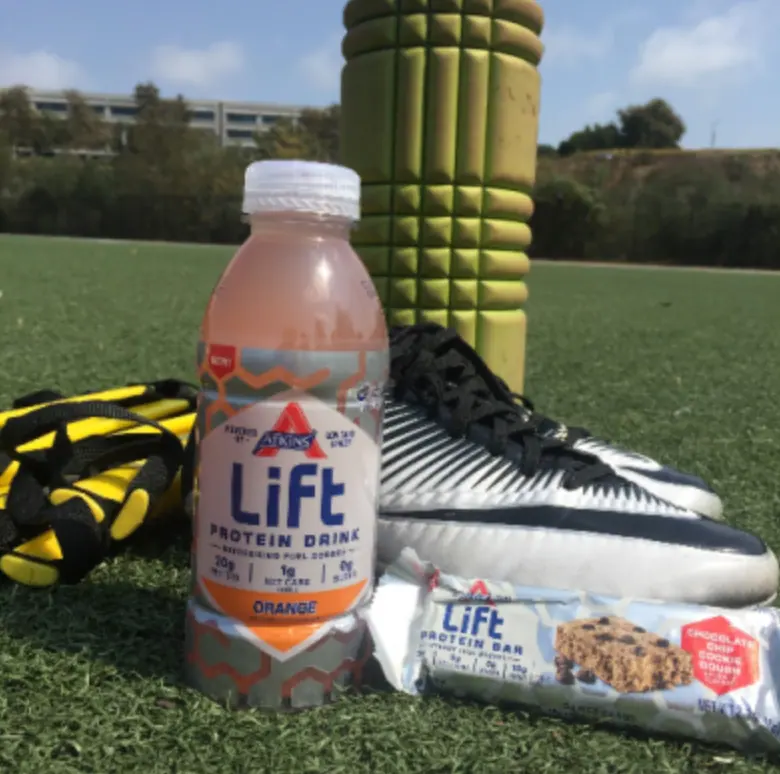
The grab: A sports drink during your WOD (you don't need it for a 45-minute session), plus a protein bar on the drive home because you're "starving" even though dinner is in an hour.
The damage: 250-350 calories
Why it matters: Most people vastly overestimate how many calories they burn during exercise. That tough workout might have burned 300-400 calories, which you just replaced before your planned post-workout meal.
Why Mindless Eating Is So Destructive
The problem with mindless snacking isn't just the calories—it's the complete disconnect between consumption and awareness. When you sit down to eat a planned meal, you're present. You taste your food. You feel satisfied. You register that you ate.
When you mindlessly grab food throughout the day, none of that happens. You consume calories without any of the psychological satisfaction that comes from actually eating. So you still feel like you "haven't eaten much today," even though you've quietly consumed an extra 500-800 calories.
This is why people genuinely believe they're eating 1,800 calories per day when they're actually eating 2,400. The 600-calorie gap exists in the bites and tastes that didn't feel significant enough to count.
Environmental Control: Your First Line of Defense
The most effective strategy for combating mindless snacking isn't willpower—it's controlling your environment so that willpower isn't required in the first place.
At Home
Don't keep trigger foods in the house. This isn't about deprivation; it's about making the default choice the healthy choice. If you have to get in your car and drive to get ice cream, you'll eat it less often than if it's sitting in your freezer calling your name every time you open the door.
Pre-portion snacks if you buy them. When you bring home a bag of nuts or crackers, immediately portion them into single-serving containers or bags. The extra friction of having to open another package creates a natural pause where you can ask yourself if you're actually hungry.
Create physical barriers. Keep less-nutritious foods in opaque containers in the back of the pantry. Keep cut vegetables and fruit at eye level in clear containers in the fridge. We eat what we see first.
Establish "closed kitchen" hours. Decide on a time after which the kitchen is closed for the night—say, 8 PM. This prevents the mindless evening grazing that can add hundreds of calories while you're watching TV or scrolling your phone.
At Work
Bring your own snacks. Pack measured portions of protein-rich snacks (hard-boiled eggs, Greek yogurt, cheese sticks, measured nuts) so you're not at the mercy of whatever's in the break room.
Take a different route. If the candy bowl is on someone's desk you pass ten times a day, take a different path. Seriously. Those extra steps are worth avoiding the temptation.
Keep nothing edible at your desk. Not even "healthy" snacks. If you want to eat something, you have to get up and go to where you've stored your planned snacks. This builds in decision-making time.
Drink water or tea instead. Often what feels like hunger is actually boredom, stress, or mild dehydration. Keep a large water bottle at your desk and sip throughout the day.
Social Situations
Eat before you go. Never arrive at a party, happy hour, or social event actually hungry. Eat a protein-rich snack beforehand so you're not making food decisions from a place of hunger.
Hold a drink in your dominant hand. This keeps that hand busy and makes it slightly more inconvenient to grab food from passing trays or bowls.
Position yourself away from the food table. The closer you stand to the appetizers, the more you'll eat without thinking. Find a spot across the room and only approach the food when you consciously decide to eat something specific.
Planning: Your Secret Weapon
Environmental control sets you up for success, but planning is what seals the deal. When you plan your food intake in advance, every eating occasion becomes intentional rather than reactive.
Plan Your Meals AND Your Snacks
Don't just plan breakfast, lunch, and dinner—plan your snacks too. Decide in advance what you'll eat, when you'll eat it, and how much. This removes the in-the-moment decision-making that often leads to poor choices or portion creep.
For example: "I'll have Greek yogurt with berries at 10 AM and an apple with almond butter at 3 PM." Now those snacks are scheduled events, not spontaneous reactions to hunger or boredom.
Use the "Plate Method" for Meals
Make your planned meals satisfying enough that you don't feel the need to snack constantly between them. A good rule of thumb: half your plate should be vegetables, a quarter should be protein, and a quarter should be carbohydrates. Add healthy fats in measured amounts.
When your meals are balanced and filling, the urge to snack diminishes naturally. You're not whiteknuckling your way through hunger—you're simply not hungry between planned eating times.
Track Everything (At Least For a While)
You don't have to track your food forever, but doing it for 2-4 weeks can be incredibly eye-opening. Track every single thing that goes in your mouth—including the BLTs. You'll quickly identify patterns and realize where your hidden calories are coming from.
Many people find that after tracking diligently for a month, they've recalibrated their awareness and can maintain results without constant tracking. But you have to build that awareness first.
Establish Eating Rituals
Make eating a distinct, intentional activity. Sit down. Put your food on a plate. Don't eat while standing at the counter, walking to your car, or staring at a screen. When eating becomes a ritual rather than a background activity, you're far more aware of what and how much you're consuming.
The Reality Check: If you're training hard but not seeing results, the problem is almost never your workout program. It's the nutrition piece. And more often than not, it's not your planned meals that are the issue—it's the unplanned, untracked, "doesn't count" eating that happens in between.
Need help identifying your mindless eating patterns and creating a personalized plan?
Get Your Free Nutrition Consult
The Bottom Line
Your workouts create the stimulus for change. Your planned meals provide the foundation for progress. But mindless snacking can silently erase all of it.
The good news? You don't need superhuman willpower to fix this. You just need awareness, environmental control, and planning. Remove temptation from your immediate environment. Plan your snacks just like you plan your meals. Make intentional eating the default, not the exception.
When you eliminate the hidden calories from mindless snacking, you'll finally see the results in the mirror that match the effort you're putting in at the gym. Your body composition will start changing. Your lifts will keep improving. And you'll do it without feeling deprived or hungry—just more intentional.
Stop letting BLTs steal your progress. Start treating every eating occasion as a conscious decision. The results will follow.
Ready to Take Control of Your Nutrition?
You're putting in the work at the gym. Let's make sure your nutrition is supporting your goals instead of sabotaging them. Our free nutrition consultation will help you identify your hidden calorie culprits and create a realistic, sustainable plan that actually fits your life.
We'll help you calculate your personalized calorie needs, identify your mindless eating patterns, and build an environmental control strategy that makes success inevitable—not dependent on willpower.
Schedule Your Free Nutrition Consult
CrossFit Coordinate | Cary, NC
Serving Cary, Apex, and Holly Springs